What Is the Rarest Eye Color in the World?
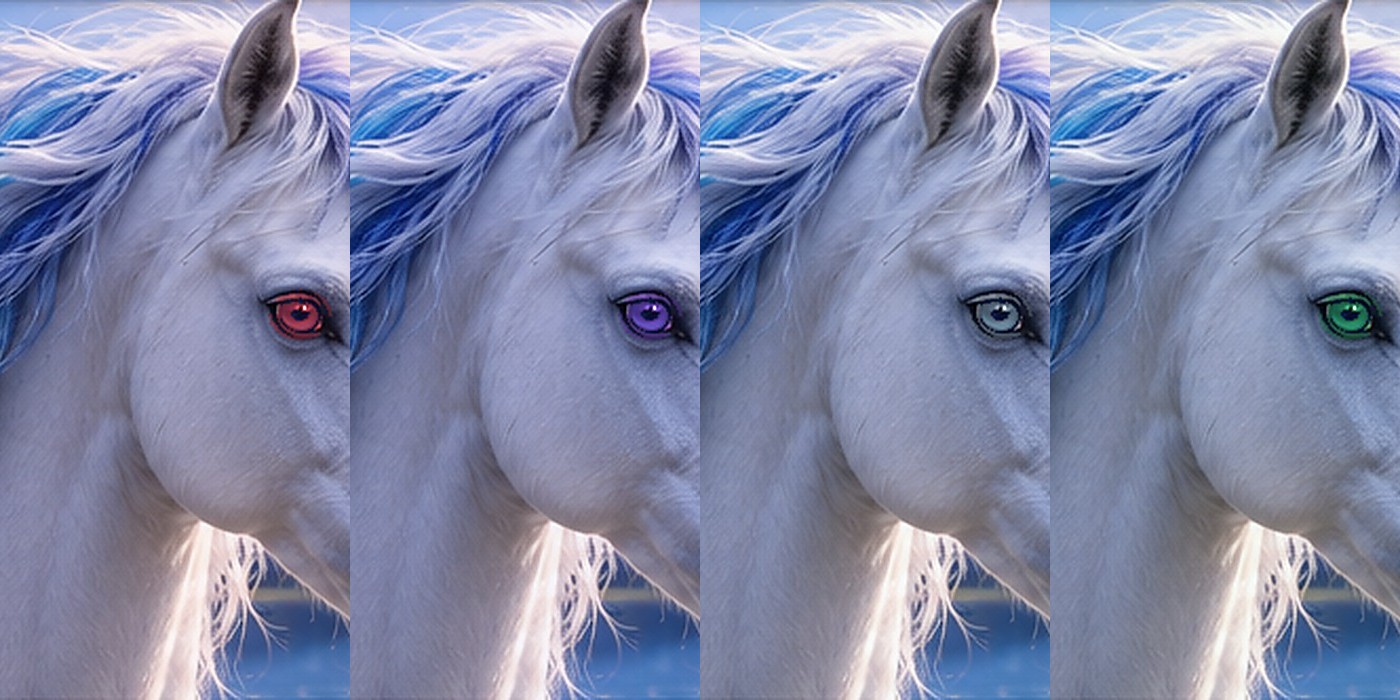
Among standard natural eye colors, green is usually considered the rarest. Gray and amber are also uncommon, although estimates vary because studies don’t always group eye colors the same way. Red-looking and violet-looking eyes are better treated as unusual appearances, while heterochromia is a color pattern rather than one eye color.
Eye color doesn’t fit perfectly into one ranked list. Mixed shades, iris patterns, regional differences, and the distinction between color and appearance all matter. The best label is the one that matches the eye in natural light, not the one that sounds rarest.
Which eye color is rarest?
The rarest standard eye color is usually considered green. Green eyes are often cited at about 2% of the world’s population. Gray and amber eyes are also rare, depending on how eye colors are grouped. Red-looking and violet-looking eyes can be even rarer as eye appearances, but they’re usually connected with very low pigment, light reflection, or special conditions rather than standard everyday eye color groups.
Rarest standard eye colors
For a simple answer, green belongs at the top of the standard eye-color list. The order after green is less certain because gray, amber, hazel, and blue may be grouped differently from one source or population study to another.
| Eye color | General rarity | What to know |
|---|---|---|
| Green | Very rare | Usually considered the rarest standard natural eye color worldwide. |
| Gray | Very rare | Often grouped with blue or blue-gray, so estimates vary. |
| Amber | Rare | True amber is evenly golden, copper, or honey-toned rather than mixed like hazel. |
| Blue | Uncommon worldwide | Much more common in some regions than in the world overall. |
| Hazel | Uncommon | Definitions vary because hazel often mixes green, brown, and gold. |
| Brown | Most common | The most common broad eye-color category worldwide. |
Rare eye appearances and patterns
| Appearance or pattern | How to understand it |
|---|---|
| Red or pink-looking eyes | Extremely unusual and generally linked with very low pigment or an albinism-related appearance rather than a standard eye-color category. |
| Violet-looking eyes | Very unusual and often connected with pale blue or gray eyes, low pigment, red reflection, and lighting. |
| Heterochromia | A rare color pattern within one iris or between the two eyes, not a separate eye color. |
The main contenders for rarest eye color
Green eyes are one of the most famous rare eye colors. They’re visually distinctive and uncommon worldwide compared with brown or blue eyes. If your eyes look green but also show gold, brown, or hazel tones, compare green vs hazel eyes before deciding.
Gray eyes are another strong contender. They can look silver, smoky, blue-gray, or cool blue depending on the light. Because gray and blue are often confused, the gray vs blue eyes guide is one of the best places to start.
Amber eyes are rare because true amber has a warm golden, copper, or honey tone that looks different from hazel and brown. If your eyes look golden all over, the amber eyes guide and hazel vs amber comparison can help you separate the closest colors.
Blue-gray eyes also deserve attention because they sit between two cool shades. They may not always be counted as a separate main color, but they’re rare-looking and often difficult to describe. If your eyes shift between blue, gray, and silver, visit the blue-gray eyes guide.
Where red eyes fit into the rarest eye color conversation
Red eyes are real as an extremely rare eye appearance, but they aren’t usually counted beside brown, blue, green, gray, or amber as a standard eye color. Red or pink-looking eyes are most often connected with very low iris pigment, light reflection, or albinism-related eye appearance.
When the iris has very little melanin, light can reflect from inside the eye and create a pink, red, or rosy look. In some lighting, that same effect may look red-violet or even violet. That’s why red-looking eyes are rare and easy to misunderstand.
If you’re asking whether humans can naturally have red-looking eyes, start with are red eyes real?. For the broader guide, visit red eye color.
Where violet eyes fit into the rarest eye color conversation
Violet eye color receives attention because it’s unusual and difficult to define. Truly violet-looking eyes are extremely rare, and many eyes described as violet are actually pale blue, gray, blue-gray, or red-toned eyes seen in special lighting.
Violet-looking eyes can happen when low pigment, cool tones, light scattering, and pink or red reflection mix together. The result may look lavender, blue-violet, purple, or red-violet depending on the setting.
If you want the full explanation, visit the violet eye color guide. If your main question is whether purple-looking eyes are natural, read are violet eyes real?.
Standard eye colors vs unusual eye patterns
There’s a big difference between a rare eye color and a rare eye pattern. Brown, blue, green, gray, hazel, and amber are color groups. Heterochromia is different because it describes a visible color difference within one iris or between both eyes.
Complete heterochromia means the two eyes are different colors. Sectoral heterochromia means one part of an iris has a different color. Central heterochromia means there’s a different-colored ring near the pupil.
When you include patterns, heterochromia can feel rarer than many standard eye colors. When you compare standard colors only, green, gray, and amber usually stay near the rare end.
Why rare eye colors are hard to rank perfectly
Eye color is hard to rank perfectly because many eyes sit between colors. A person may think their eyes are green when they’re closer to hazel. Another person may think their eyes are gray when they’re closer to blue-gray. Warm brown eyes can look amber in sunlight, while hazel eyes can look green from a distance.
Rarity also changes by region. A color that feels unusual worldwide may feel more familiar in a place where that shade appears more often. Family background, lighting, and mixed iris patterns all add more nuance.
That’s why a rarity range often feels more honest than a single fixed ranking. Some eye colors are common, some are uncommon, some are rare, and a few are extremely rare.
Global rarity vs local rarity
An eye color can be rare worldwide but less surprising where you live. Blue and green eyes, for example, may feel more familiar in parts of Northern or Western Europe, while they’re much less common in many other parts of the world.
Brown eyes are the most common worldwide, but that doesn’t mean every brown eye looks the same. Dark brown, medium brown, light brown, golden brown, and amber-leaning brown can all look different in natural light.
If you want a more personal estimate, try the eye color rarity checker. It gives you a fun rarity score and a confidence note based on the color and details you choose.
Common rare eye color mix-ups
Rare eye colors attract myths because people love dramatic answers. Violet eyes are a classic example. Some eyes can look violet, lavender, or blue-violet, but most violet-looking eyes are better understood as pale blue, gray, blue-gray, or red-toned eyes affected by light.
Hazel and amber are often mixed up too. Hazel usually blends more than one color, often green, brown, and gold. Amber is usually more even and golden, with a copper or honey tone. If your eyes are warm and golden, compare hazel vs amber eyes.
Green and hazel can also be tricky. Green eyes usually have a stronger green impression, while hazel eyes often shift between green, brown, and gold. If you’re torn between the two, visit green vs hazel eyes.
Rare eye color FAQs
What is the rarest eye color?
Among standard natural eye colors, green is usually considered the rarest. Red-looking and violet-looking eyes can be rarer as appearances, but they aren’t usually counted as standard everyday eye color groups.
Are green eyes the rarest eye color?
Green eyes are often treated as the rarest standard eye color worldwide. Gray and amber eyes are also rare, especially depending on how different eye color categories are counted.
Are violet eyes real?
Some eyes can look violet, lavender, or blue-violet, but many violet-looking eyes are better understood as pale blue, gray, blue-gray, or red-toned eyes affected by lighting and reflection.
Are red eyes real?
Red or pink-looking eyes can be real, but they’re usually connected with very low iris pigment or albinism-related appearance rather than a standard eye color category.
What to read next
If you want the strongest standard rare eye color contenders, start with green eyes, gray eyes, and amber eyes.
If your eyes look unusual because of a pattern, visit heterochromia. If your eyes look red, pink, violet, lavender, or hard to place, compare red eye color and violet eye color.
If you’re still deciding, use the eye color chart, then try the rarity checker for a fun estimate.
Sources and notes
Eye-color categories vary by source. Unusual or changing eye appearance may need professional evaluation.