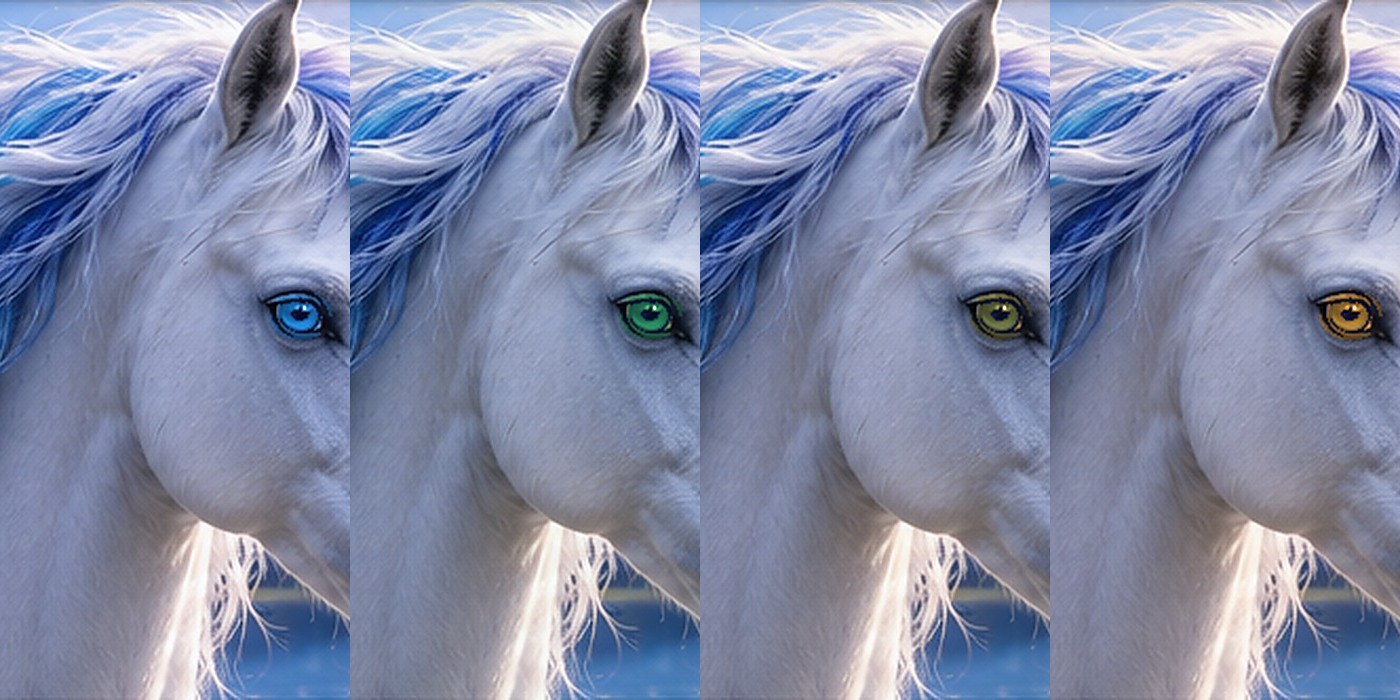
Compare Eye Colors
Eye color isn’t always easy to name. Green can look hazel indoors, blue can look gray in a photo, and a warm golden iris may sit somewhere between amber and light brown. These side-by-side guides focus on the comparisons that cause the most confusion.
Start with the pair of eye colors below in our comparison guides that feels closest, then compare the details in natural light. The right color usually becomes clearer when you look at undertone, pattern, brightness, and how the color behaves in different settings.
Start with the two closest colors
If you’re unsure about your eye color, compare the two closest shades in soft natural light. Most eye color confusion happens between nearby colors, such as green and hazel, gray and blue, hazel and amber, or amber and brown.
Why comparing eye colors helps
A lot of eyes sit between two nearby colors. One label may not capture every ring, fleck, darker outer edge, or mix of cool and warm tones in the iris.
Side-by-side comparisons narrow the question. Instead of asking, “What color are my eyes?” you can ask, “Do they look more green or hazel?” or “More gray or blue?”
Once you narrow the choice to two nearby colors, the answer usually feels less mysterious.
Are you comparing colors or patterns?
Some eye questions are about color, such as green vs hazel or gray vs blue. Others are about pattern, such as central heterochromia, sectoral heterochromia, or complete heterochromia.
If both eyes are the same overall color but the iris has a different-colored ring near the pupil, start with central heterochromia. If one section of the iris has a separate color, start with sectoral heterochromia. If each eye is a different color, start with complete heterochromia.
Best eye-color pairs to compare
Choose the comparison that sounds closest to what you see in the mirror. If you’re still torn after one guide, try the eye color chart next.
| Comparison | Why it can be confusing | Helpful guide |
|---|---|---|
| Green vs Hazel Eyes | Green and hazel eyes can both show earthy, golden, or brownish tones. | Green Eyes |
| Hazel vs Amber Eyes | Both can look warm, golden, honey-like, or coppery in certain light. | Amber Eyes |
| Gray vs Blue Eyes | Cool eyes can shift between blue, gray, silver, and blue-gray. | Gray Eyes |
| Amber vs Brown Eyes | Golden brown, honey brown, and true amber can be hard to separate. | Brown Eyes |
| Blue-Gray Eyes | Some eyes don’t fit neatly into blue or gray and look different as the light changes. | Gray vs Blue |
| Violet-Looking Eyes | Pale blue, gray, blue-gray, or red-toned eyes can sometimes look violet. | Are Violet Eyes Real? |
| Red Eyes vs Photo Red-Eye | Natural red-looking eyes, irritated red eyes, and camera flash red-eye are often confused. | Red Eye Color |
| Central Heterochromia vs Hazel | A center ring around the pupil can look similar to mixed hazel tones. | Heterochromia |
How to compare your eyes in natural light
Natural light gives the clearest view of your eye color. Stand near a window during the day, avoid direct glare, and skip filters or flash. A phone photo can help, but the mirror test in soft daylight is usually better than a heavily edited picture.
Look at the main color first. Then notice the details. Is there a golden ring near the pupil? Is the outer edge darker? Does the whole iris look evenly warm, or does it blend green, brown, gold, blue, or gray together?
Don’t pick a label just because it sounds rarer. Use the color that best matches what your eyes usually look like, not one unusually dramatic photo.
Should you use the chart or a compare guide?
Use the eye color chart when you want a broad starting point. It helps you scan several colors at once and choose the closest family.
Use a comparison guide when you already know the two colors you’re stuck between. For example, if your eyes look green some days and hazel on others, a green vs hazel guide will usually help more than a broad chart.
If one eye looks different from the other, or one part of your iris has a clearly separate color, visit the heterochromia guide before choosing a single color.
What to read next
Pick the comparison that matches your biggest question. Then visit the single-color guide for the shade that feels most accurate. After that, try the rarity checker for a fun estimate.
If your eyes still seem hard to name, that’s normal. Plenty of irises are mixed or shift with the light, and a close everyday label is often more useful than chasing a perfect one.
These are good places to start:
Green vs Hazel Eyes
Best for eyes that look green, brown, gold, or earthy depending on the light.
Hazel vs Amber Eyes
Best for warm eyes with honey, copper, golden, or brownish tones.
Gray vs Blue Eyes
Best for cool eyes that shift between blue, silver, gray, and blue-gray.
Amber vs Brown Eyes
Best for golden eyes that may be closer to amber, light brown, or warm brown.
Violet Eye Color
Best for eyes that sometimes look purple, lavender, blue-violet, or red-violet.
Eye Color Chart
Best when you want to compare several shades before choosing one color.
When your eyes seem to change color
Some eyes look different from room to room. Blue can look gray in softer light. Hazel can look greener outdoors. Amber can look more brown indoors. Violet-looking eyes may appear more blue, gray, or red-toned once the lighting changes.
This doesn’t mean your eye color is changing every hour. It usually means lighting, reflections, pupil size, clothing colors, and surrounding tones are changing how your iris appears.
When in doubt, trust the color you see most often in soft natural light.
Sources and notes
This comparison covers normal eye-color appearance and isn’t medical advice.